Transform Your Living Area: Essential Facts About Home Remodeling Services for All Property Owners
Property owners frequently look for methods to enhance their living spaces by using renovation services. Such undertakings may vary from kitchen upgrades to complete home renovations. Being aware of the possibilities is vital for choosing intelligently. Furthermore, there exist practical considerations including financial planning and selecting the professional contractor. As householders start this endeavor, they could face surprising obstacles. Achieving a successful makeover lies in thorough design and performance. What should be done subsequently?
Understanding the Different Types of Home Remodeling Services

When homeowners consider renovating their living spaces, they frequently come across a variety of remodeling services suited to various requirements and preferences. These services can be broadly categorized into several types, each addressing specific aspects of house upgrades. Kitchen renovations center on modernizing fixtures, the cabinets, and floor plans to boost practicality and aesthetics. Renovating the bathroom usually includes updating the hardware, tiles, and shelving options for improved comfort and visual flair.
Complete residential remodeling includes major alterations across the property, sometimes requiring major structural work to make the most of the space and flow. Exterior remodeling services, on the other hand, focus on boosting the home's outward appearance, dealing with the cladding, the roof, and the yard. Additionally, specialized services such as completing the basement and upgrading the attic help residents make the most of underutilized spaces. Each type of remodeling service delivers specific perks, enabling homeowners to choose options that match their goals for their residence. Knowing these variations is essential when making informed decisions throughout the remodeling project.
Setting a Realistic Budget for Your Home Improvement Work
How do property owners make certain their home upgrades are kept financially viable? Developing an achievable budget is crucial. Homeowners should begin by determining their fiscal limits, covering savings and possible funding sources. This preliminary action helps establish the amount that can be set aside for the remodel while maintaining other fiscal obligations.
Afterward, those undertaking the remodel should research the costs associated with their desired renovations, considering materials, labor, and unforeseen expenses that often arise. Developing a comprehensive priority list aids in identifying must-haves versus nice-to-haves, enabling modifications if the finances are strained.
It is smart to incorporate a reserve fund, usually about 10-20% of the overall cost, to handle unforeseen expenses. Regularly reviewing and adjusting the budget as the updating work progresses can further assist in keeping finances in check. In the end, a carefully structured budget not only guarantees project viability but also improves the entire renovation process for those living in the home.
Finding the Best Contractor for Your Requirements.
Choosing the appropriate professional can greatly impact the outcome of an updating effort. Homeowners should begin by performing extensive investigation, looking for suggestions from acquaintances, relatives, or web feedback. It is essential to confirm documentation, such as licenses, insurance, and surety bonds, to establish credibility.
After suitable professionals have been found, homeowners should request detailed estimates and timelines, allowing for informed comparisons. Meeting with them offers a look at their manner of communicating and their professional conduct, that are key to a cooperative effort.
In addition, looking at completed jobs through galleries or recommendations demonstrates the professional's skill level. Property owners must also ask about guarantees or assurances, indicating the builder's certainty about their services.
Ultimately, selecting a contractor who aligns with the homeowner’s vision, budget, and timeline fosters a more positive remodeling experience, ensuring the work fulfills requirements and changes the space as intended.
Structuring and Laying Out The Space You Envision.
As those renovating imagine their desired rooms, careful planning and thoughtful design form vital parts of an effective updating job. The initial phase includes assessing present requirements and long-term goals, to gain a complete comprehension of the area's utility. It is important for homeowners to weigh practicality, visual appeal, and personal style, ensuring that the design reflects their distinctive choices.
Following this, developing a comprehensive budget is essential. This budget should account for supplies, workforce costs, and potential unforeseen expenses. Engaging with design professionals can offer helpful perspectives, assisting in improving the layout and respecting budgetary constraints.
Incorporating elements like ample daylight, spacious designs, and sustainable materials can elevate the living environment. Lastly, seeing the project via mock-ups or 3D visualizations can assist in finalizing plans before starting the work. When handling the initial design phase deliberately, homeowners can create an inviting, efficient space tailored to their lifestyle.
Dealing with Permits and Building Codes in House Renovation
Familiarizing oneself with the red tape and requirements can be challenging for homeowners starting on a remodeling project. Each municipality has specific rules that dictate what is permissible during renovations, begin now typically guided by zoning laws, construction standards, and security requirements. Homeowners must familiarize themselves with local regulations to avoid costly fines or construction hold-ups.
Typically, obtaining permits is crucial for substantial modifications, such as structural changes or electrical work. This process often involves submitting plans for review and might demand site visits at multiple points.
Working with a skilled professional can make this procedure easier, as they are usually well-versed in local regulations and can help manage the documentation. Owners must also maintain clear communication with the city's regulatory body to guarantee compliance throughout the project. By comprehending and working within these rules, homeowners can meet their renovation objectives while ensuring safety and legality in their renovations.
Frequently Asked Questions
What is the Duration of a Standard Home Renovation?
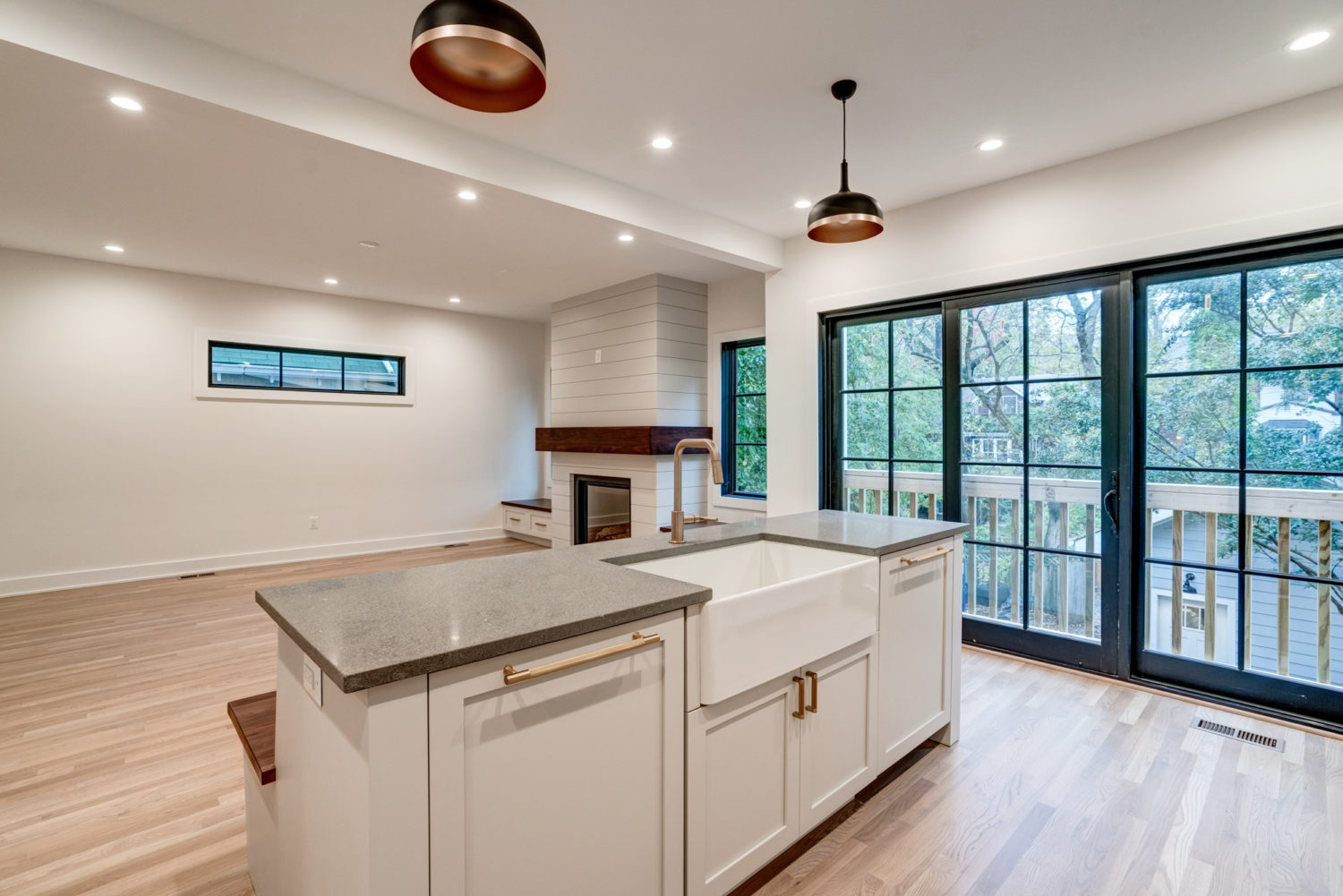
The average remodeling job typically spans between three to six months, depending on the scope of work, scale of the house, and material lead times. Intricate jobs could demand more time for completion.
What's the best way to avoid frequent blunders to avoid throughout the renovation process?
Typical pitfalls in the remodeling process often involve miscalculating costs, not securing the required permissions, missing scheduled deadlines, not maintaining clear communication with the construction team, and not considering long-term functionality. Awareness of these pitfalls helps ensure a smoother, more successful renovation project.
What's the best way to select the best supplies for the job?
Choosing the right materials means considering how long they will last, the look and feel, and financial limits. Researching options, consulting professionals, and factoring in how much care they require will significantly help in making informed decisions, ensuring the project aligns your functional and aesthetic goals.
Will I be able to reside in my property during renovations?
It is possible to remain in their home during renovations, but it might cause disruption. Detailed organization, effective coordination with the renovation team, and creating defined spaces for daily use can lessen the stress during the process.
What kind of coverage should be provided from remodeling contractors?
You should anticipate receiving warranties that guarantee the quality of the work, materials, and the integrity of the structure, which usually last between one to ten years. You must carefully check the exact provisions with contractors to know the full extent of the guarantee and its restrictions.
Comments on “Premier Fixture Installation and Budget Control”